
Crystal Andrus
Morissette
Founder of Empowerment Coaching™ · Six-Time International Bestselling Author · Creator of Emotional Age™
For more than thirty years, Crystal has devoted her work to a single question: what will it take for women to stand confidently in their own power? She coined the term "Empowerment Coaching," built a certification school with graduates in 45+ countries, and developed an original body of work now taught around the world.

As seen & featured on
She Isn't Trying to Fix Women.
She's Helping Them Remember.
Crystal's work begins where most personal development stops. Not with goals, habits, or mindset, but with the question of who a woman becomes under pressure — and why an accomplished, capable woman can still find herself explaining, appeasing, or disappearing in the moments that matter most.
At the centre of it is Emotional Age™: the recognition that every woman carries a chronological age and an emotional one, and that the gap between them shapes her relationships, her leadership, her health, and her income far more than experience or intelligence ever will. It is psychologically grounded, unusually practical, and entirely her own.
"Chronological age has little to do with how empowered — or stuck — we feel. It's your Emotional Age that determines how you show up in the world."— Crystal Andrus Morissette
The Ideas She's Known For
Eight original frameworks and lines of inquiry, developed over three decades and taught nowhere else. This is the language Crystal gave a generation of women.
Emotional Age™
Every woman has a chronological age and an emotional one, and they are rarely the same. Under stress, a woman returns to the age at which she first learned to survive — which is why a composed fifty-two-year-old executive can feel fourteen in a difficult conversation. Emotional Age names that gap and, more importantly, makes it workable.
The Empowerment Spectrum™
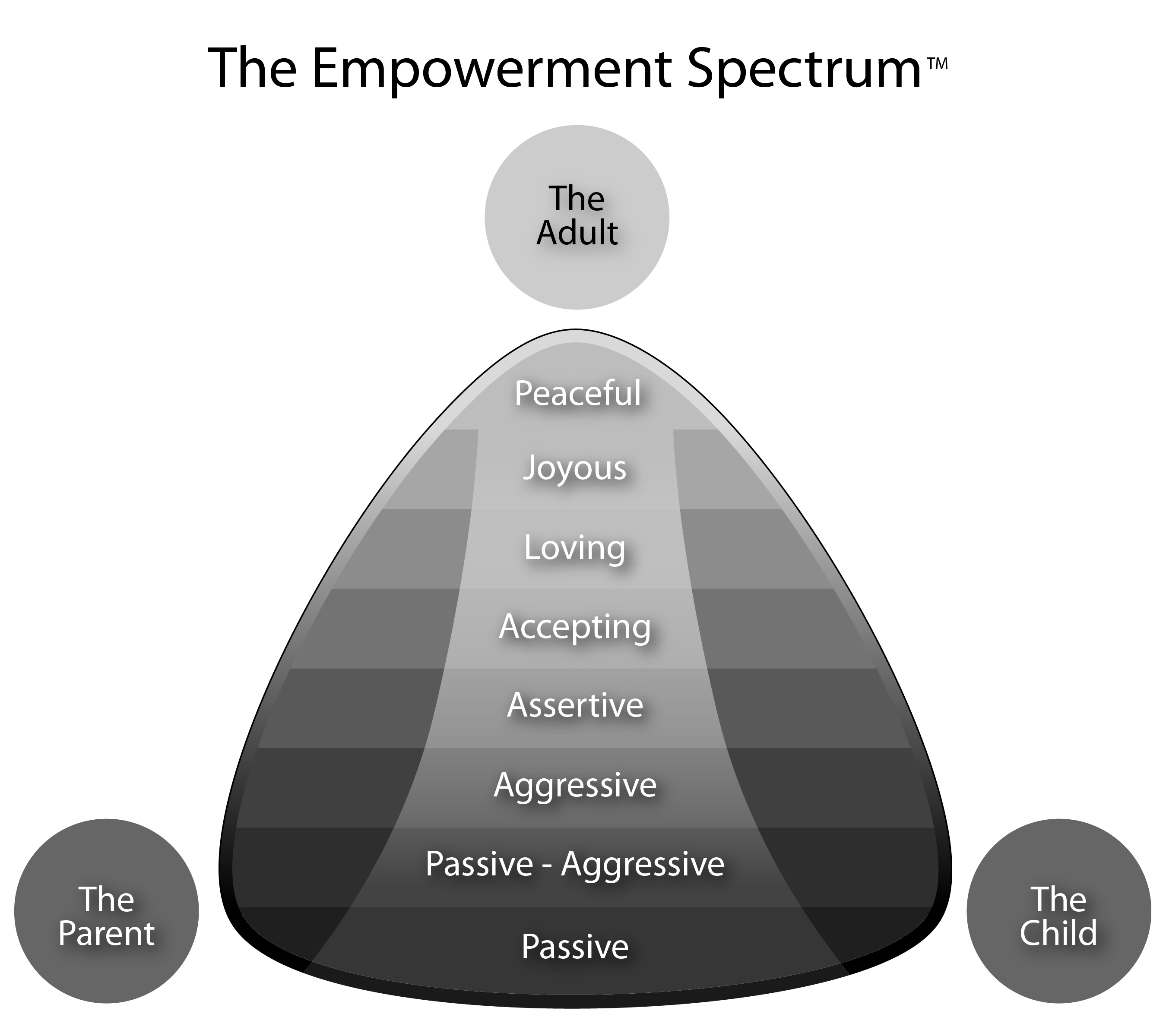
Crystal's original map of human behaviour, running from Passive through Aggressive to Peaceful, and revealing the three inner positions a woman moves between: Daughter, Mother, and Woman. It shows not only what a woman is feeling, but where she is operating from — and where she is trying to get to.
The Emotional Age Quiz™
A short diagnostic that surfaces a woman's dominant Emotional Age in a matter of minutes. Featured three times on Oprah.com and taken by women around the world, it is most often the moment the rest of the work clicks into place — the point at which theory becomes personal.
Empowerment Coaching™
Crystal coined the term in 2003, then built the profession behind it — founding The S.W.A.T. Institute in 2009 to certify women as Empowerment Coaches. It is coaching grounded in emotional development rather than goal-setting, and it trained a generation of practitioners who wanted depth rather than motivation.
Self-Abandonment
The quiet, socially rewarded habit of leaving yourself in order to keep the peace: overriding your own no, softening your own knowing, managing everyone's comfort but your own. Crystal treats it not as a character flaw or a failure of self-care, but as a learned survival strategy that once worked.
The Conditioning Women Carry
Most women are not primarily contending with a system out there. They are contending with a voice in here — the inherited instruction to be agreeable, modest, useful, and small. Crystal traces where that voice came from, how it disguises itself as humility or realism, and how it operates in real time.
Your Body Knows™
Women are routinely told their symptoms are stress, hormones, or imagination — and over time they learn to disbelieve themselves. Crystal's work restores a woman's physical signals to their proper status: as legitimate information, arriving before language does, and worth acting on.
Your Second Act™
Midlife not as decline and not as crisis, but as the first point at which a woman has enough self-knowledge to build a life on her own terms. Crystal is not describing this from a distance — at 55 she is living it, sober, vibrant, and clearer than she has ever been.
Official Bios
Three lengths for bylines, broadcast intros, and full features. Use freely.
Crystal Andrus Morissette is the founder of Empowerment Coaching and The S.W.A.T. Institute, a six-time international bestselling author, and the creator of Emotional Age™ and The Empowerment Spectrum™.
Crystal Andrus Morissette coined the term "Empowerment Coaching" and built it into a global certification school for women in 45+ countries. A six-time international bestselling author — whose book The Emotional Edge and Emotional Age Quiz have been featured on Oprah.com — she has spent more than thirty years studying why capable women still struggle to trust themselves, and what actually changes it.
Crystal Andrus Morissette is a six-time international bestselling author and the creator of an original body of work on women's emotional development. She coined the term "Empowerment Coaching" in 2003 — long before anyone else was using it — and in 2009 founded The S.W.A.T. Institute (Simply Woman Accredited Trainer), an empowerment coach certification exclusively for women, now with graduates in over 45 countries.
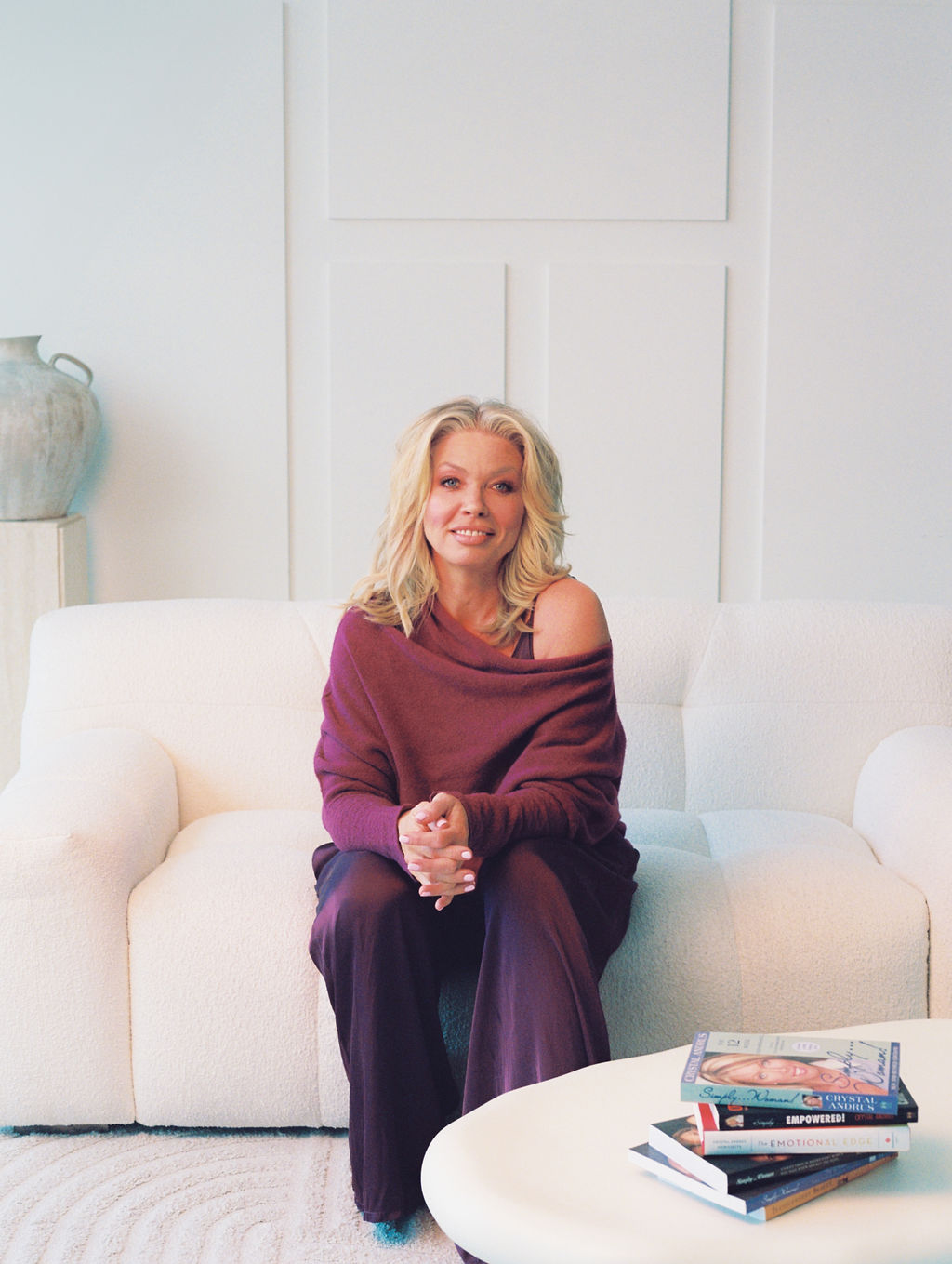
She is the author of six bestselling books, including The Emotional Edge (Random House), featured multiple times on Oprah.com, and Simply…Woman!, Simply…EMPOWERED!, and Transcendent Beauty (Hay House). Her frameworks — Emotional Age™, The Empowerment Spectrum™, and The Emotional Age Quiz™ — are used by coaches, therapists, and leaders to understand why women behave as they do under pressure, and how that shapes their relationships, leadership, health, and income.
Nominated more than ten times as Canada's top female entrepreneur by the Royal Bank of Canada, and a specially selected trainer for the Canada-Ontario Job Grant program, Crystal has helped countless women build lives — and businesses — they love. Now, at 55, she is living her own Second Act: sober, vibrant, and, following a recent cancer diagnosis, more devoted than ever to the work. Learn more at CrystalAndrusMorissette.com and SWATInstitute.com.
Interview Topics
Eight conversations built for this moment — each one connecting Crystal’s body of work to a story your audience is already living. She is an experienced broadcast guest: articulate, quick, unafraid of a real question, and reliably the segment audiences write in about.
Audiences have grown tired of mindset language that doesn't hold under pressure. Emotional Age is the rare framework that is both psychologically grounded and instantly recognizable — and it can be demonstrated live on air in under two minutes.
This is the idea Crystal is known for: every woman carries a chronological age and an emotional one, and under stress she reverts to the dominant emotional energy she learned to survive in. It explains why a composed executive can run a board meeting by day and feel like a child in a conversation with her mother, her partner, or her own inner critic. Her Emotional Age Quiz has been featured on Oprah.com three times — and hosts can take it on air and get a result in real time.
Perfect for Audience takeaways- How to identify your own Emotional Age mid-conversation
- Why insight alone has never changed the pattern
- The three Dominant Emotional Archetypes — Parent, Child, and Adult — and which one is running the room
- One practical way to shift when you feel yourself slipping
Nervous system regulation has become wellness's central obsession, while 45% of people now report "wellness burnout" and 61% say they feel societal pressure to be well. Crystal offers the missing psychological layer: you cannot regulate a nervous system that feels she holds the emotional responsibility for six other people.
In Crystal's framework, burnout is rarely a scheduling problem. It is the Parent Archetype — what she calls Mother Energy — running the household, the marriage, and the team: the part of us that gives, protects, and serves until it becomes what she names plainly as chronic neglect of Self. It has nothing to do with whether a woman has children; a twenty-five-year-old can embody it entirely. She draws the distinction readers of The Emotional Edge quote most — giving of yourself refills you, giving up yourself empties you — and explains why breathwork and boundary scripts keep failing while the archetype underneath goes untouched.
Perfect for Audience takeaways- Why the Parent Archetype has nothing to do with being a parent
- The difference between giving of yourself and giving up yourself
- "Chronic neglect of Self" — how to recognize it in an ordinary week
- Why regulation techniques fail while Mother Energy is still running the room
- What it takes to move from Mother Energy into the empowered Adult
2026 has produced a visible backlash against over-optimization — against the tracking, the protocols, the pressure to be endlessly improving. Women are built differently than men and the science is only now catching up. And women are tired of being sold to. Crystal arrives with the argument underneath it: self-improvement has quietly become one more way for women to reject themselves. The whole model is patriarchal, and women are over it.
Women have more therapy language, more apps, and more optimization than any generation before them, and are not noticeably steadier for it. Crystal makes the case that confidence was always the wrong prescription — it is a feeling, and feelings are not a foundation — and argues for self-possession instead: the capacity to remain yourself when someone is displeased with you.
Then she points at the diet industry, because she lived it. Crystal was a nutritionist who wrote a bestseller teaching women to lose weight through a body-mind-spirit approach — and twenty years later found herself back over two hundred pounds. She went on to lose fifty-five pounds in five months, without medication. Her conclusion is unsentimental. Men run on a roughly twenty-four-hour hormonal cycle; women run on a roughly twenty-eight-day one, and then on a longer arc through perimenopause and beyond. Every protocol built on daily discipline — willpower, cold plunges, the whole architecture of self-mastery — was designed for the first rhythm and handed to bodies living the second. Women need programs created by women, for women. Contrarian, well-argued, and a genuine pleasure for a host who likes to push back.
Perfect for Audience takeaways- Why "just be more confident" fails as advice
- When self-improvement becomes self-rejection — and why the model is patriarchal
- What happened when a bestselling weight-loss author found herself back over two hundred pounds
- How she lost fifty-five pounds in five months, without medication
- Why willpower, discipline, and cold plunges were designed for a twenty-four-hour male rhythm
- What programs built by women, for women, actually look like
Midlife has finally become a serious research and funding priority — Melinda French Gates has directed a further $215 million toward women's health with a new focus on menopause, and the transition is increasingly understood as neurological rather than merely reproductive. The coverage is overwhelmingly clinical. The psychological story is still unclaimed.
Crystal goes past symptom management to what she and the women she works with consistently report: a marked drop in the need for approval, and a corresponding rise in directness, clarity, and authority. She is honest about how difficult the transition is and unsentimental about what waits on the other side. A genuinely hopeful segment in a category that badly needs one.
Perfect for Audience takeaways- Why hormonal change intensifies unresolved emotional patterns
- What actually changes in a woman's psychology after menopause
- How to navigate the transition without losing yourself in it
- Why so many women describe this decade as their most authoritative
Medical gaslighting is one of the defining health stories of the moment, and the numbers are stark: around 72% of women report having symptoms dismissed by a doctor, compared with 29% of men. Women receive roughly 16% less pain medication than men for the same conditions, and older women, women of colour, and disabled women are dismissed most of all. Crystal can speak to it with unusual authority — thirty years of somatic and emotional work, and her own recent cancer diagnosis.
Women describe symptoms and are handed reassurance. It is hormones, it is stress, it is your age, it is anxiety. Crystal is direct about what this is: gaslighting, and it does not begin in the exam room. Women are trained from girlhood to doubt their own read on things, to soften a claim before making it, to apologize for taking up a doctor's time. The medical setting simply confirms what the culture already taught. And the dismissal sharpens with age — the older a woman gets, the more readily her symptoms are filed under menopause or nerves rather than investigated.
Over time the dismissal becomes internal, and a woman learns to override the very signals that could protect her. Crystal teaches the reverse: how to read physical intelligence as information rather than inconvenience — the tightening, the fatigue, the dread that arrives days before language does. Her position is that when a woman is in Woman Energy, the body knows. Practical rather than mystical, and delivered without alarmism.
Perfect for Audience takeaways- Why medical gaslighting begins long before the exam room
- How dismissal becomes self-dismissal over time
- Why symptoms get filed under menopause or nerves as a woman ages
- The difference between anxiety and a genuine physical signal
- How to advocate for yourself in an appointment without apologizing
- What Crystal's own diagnosis clarified about listening
More than one in three people divorcing in America today is over fifty. In 1990 it was fewer than one in ten. Adults over sixty-five are the only age group whose divorce rate is still climbing — and two thirds of the time, she is the one who files. Every outlet is covering the numbers. Almost none can explain the woman.
Crystal offers the explanation: these are not women leaving marriages impulsively. They are women who spent decades in Mother Energy — managing, absorbing, over-functioning — and are now stepping into Woman Energy, the fully empowered Adult. That is the story underneath the statistic, and it reframes the entire trend: this is not a wave of marriages failing so much as a generation of women arriving. Crystal is careful and even-handed here, and just as willing to talk about the marriages that are saved when a woman stops mothering her partner. Pairs naturally with the financial and reinvention angles most outlets are already running.
She is just as precise about the opposite pattern. A woman carrying too much Daughter Energy starts fast and fizzles fast — the relationship is thrilling, then destabilizing. She feels perpetually in trouble. She is flying ahead of him, certain she is running out of time, and too frightened of being alone to slow down or to go. Crystal shows how a woman finally stops racing and stops testing, and steps into Woman Energy — and why that shift, not the divorce itself, is the real story.
She will also say the thing no one else on this beat will: the name is part of the problem. Sociologists coined "gray divorce" in 2012 as neutral shorthand for the over-fifties — but it labels the most self-possessed decision of a woman's life by the colour of her hair, while the coverage debates her portfolio. Crystal has a better name for it, and a clearer explanation of what is actually happening.
Perfect for Audience takeaways- Why women over fifty are the fastest-growing group to leave — and what changed
- What decades of over-functioning in Mother Energy does to a marriage
- Why the same argument recurs in different costumes for thirty years
- Daughter Energy in a marriage — starting fast, fizzling fast, and feeling always in trouble
- Why "running out of time" and "afraid to be alone" hold women in place for years
- How to stop parenting your partner — and what changes when you do
- The three stages of rebuilding afterward, and where most women stall
- How to tell reinvention from escape — and what stepping into Woman Energy actually looks like
- Why "gray divorce" is the wrong name for what these women are doing
AI companions and AI therapy have moved from novelty to mainstream, and clinicians are openly worried that emotional dependence on chatbots deepens isolation rather than relieving it. The coverage so far is about the technology. Crystal talks about the women — and why a machine feels safer than a spouse.
An AI never gets disappointed in you, never withdraws, and never requires you to hold your ground. Crystal explains why that is precisely the appeal for women trained to manage everyone's comfort, and what atrophies when intimacy is only ever practised somewhere no one can be displeased with you. Neither alarmist nor dismissive — and a conversation almost no one else in this field is equipped to have.
She can then do what very few guests can: walk a host, a caller, or an audience member through Releasing Your Triggers, the ten-step process from The Emotional Edge — live, in a few minutes, on air. It ends somewhere genuinely counterintuitive — the opposite of everything women have been taught about positive affirmations — and the shift happens in front of the audience, in minutes. As Crystal puts it, only wounded people get triggered, and only you can heal your own wounds. It is remarkably efficient, and it makes for arresting television.
Perfect for Audience takeaways- Why a machine feels safer than a person you love
- What gets practised — and what atrophies — in a frictionless conversation
- The ten-step Releasing Your Triggers process, demonstrated live
- Why the last step contradicts everything you've been told about affirmations
- How to hear which Emotional Age is speaking, yours and theirs
Record numbers of women are rebuilding financial independence in midlife — after a gray divorce, a redundancy, or a late-career pivot — and the standard advice is all tactics. Crystal addresses the part that actually governs the number: what a woman believes she is permitted to ask for.
Crystal connects earning capacity directly to Emotional Age: brilliant women undercharge, over-deliver, and apologize their way through negotiations not from a lack of skill but because they are transacting from a disempowered position. She traces the inherited instruction to be modest and useful, and shows what a clean value exchange looks like instead. Consistently her highest-response topic with entrepreneurs and professional audiences.
Perfect for Audience takeaways- How Emotional Age shows up directly in your pricing
- Why over-delivering is a bid for approval, not a business strategy
- How to state a number and stop talking
- How inherited rules about modesty operate as your own thoughts
- What a clean value exchange actually feels like
Suggested Interview Questions
You coined the term "Empowerment Coaching" in 2003 — what did you see that no one else was naming yet?
What is Emotional Age, and how is it different from emotional intelligence?
You say women don't need more confidence. What do they need instead?
Why do so many capable, accomplished women still not trust themselves?
What does self-abandonment look like in a life that appears to be going well?
You lost fifty-five pounds in five months without medication — after once writing a bestseller on weight loss and still ending up back over two hundred pounds. What actually changed?
After thirty years of teaching this work, what did your cancer diagnosis clarify?
You're living your own Second Act. What does that look like day to day — and why does it matter so much?
Six International Bestsellers
From Random House and Hay House — work that has reached women around the world.
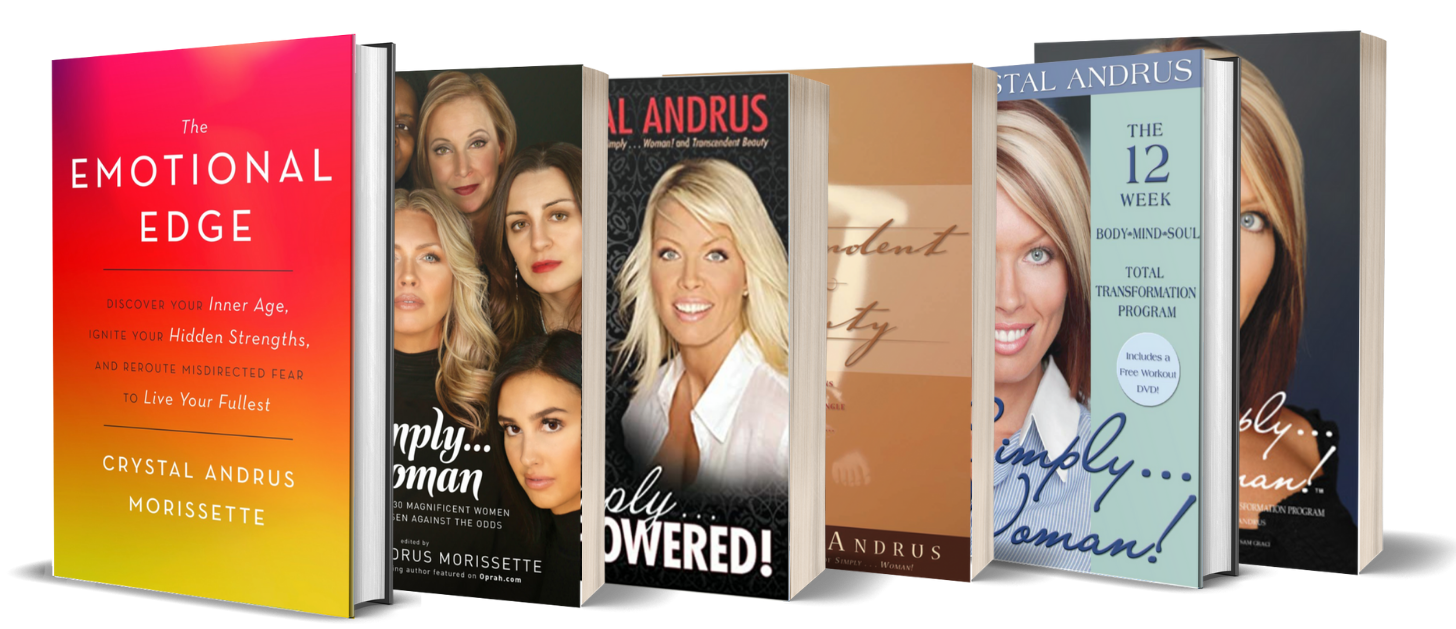
The Emotional Edge
Random HouseDiscover your inner age, ignite your hidden strengths, and reroute misdirected fear. Featured on Oprah.com.
Simply…Woman!
Hay HouseA week-by-week body, mind & soul transformation program for every facet of a woman's life.
Simply…EMPOWERED!
Hay HouseHow to create and sustain success in every area of your life.
Transcendent Beauty
Hay HouseIt begins with a single choice… to be. A guide for every woman.
Simply Woman: Stories from 30 Magnificent Women
AnthologyThirty women who have risen against the odds, in their own words.
Simply…Woman — The Original
Self-Published · Full Colour + JournalThe rare, full-colour original edition — a keepsake with its own companion journal. Available personally autographed.
Want a personally inscribed copy? Crystal will autograph and hand-write a personal message inside The Emotional Edge (Random House) — or the rare, full-colour original edition of Simply…Woman with its companion journal — and mail it to you or your audience. A warm touch for gifts, giveaways, and on-air features. A small shipping & handling fee applies. Email info@swatinstitute.com to request one.
Everything You Need to Feature Crystal
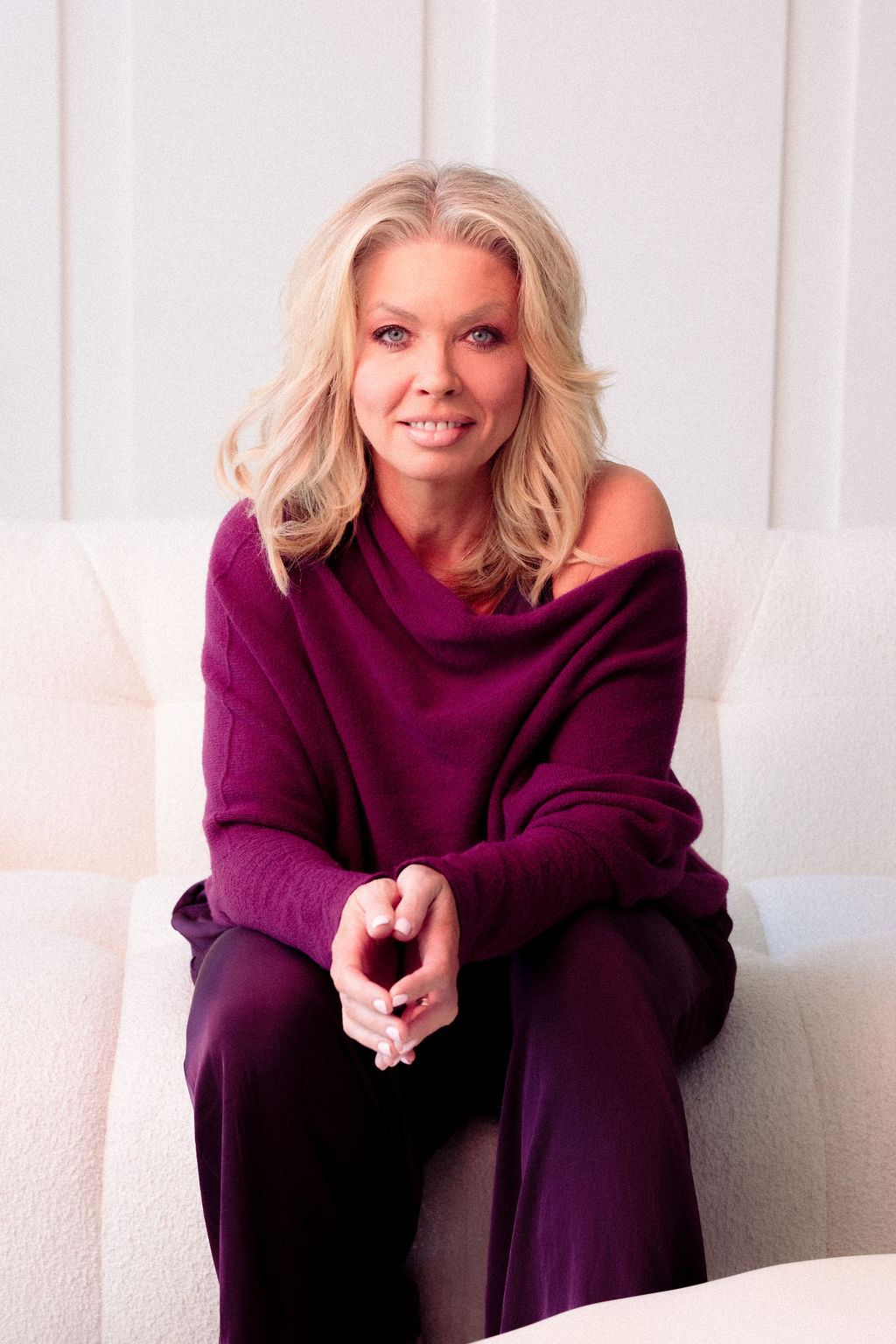
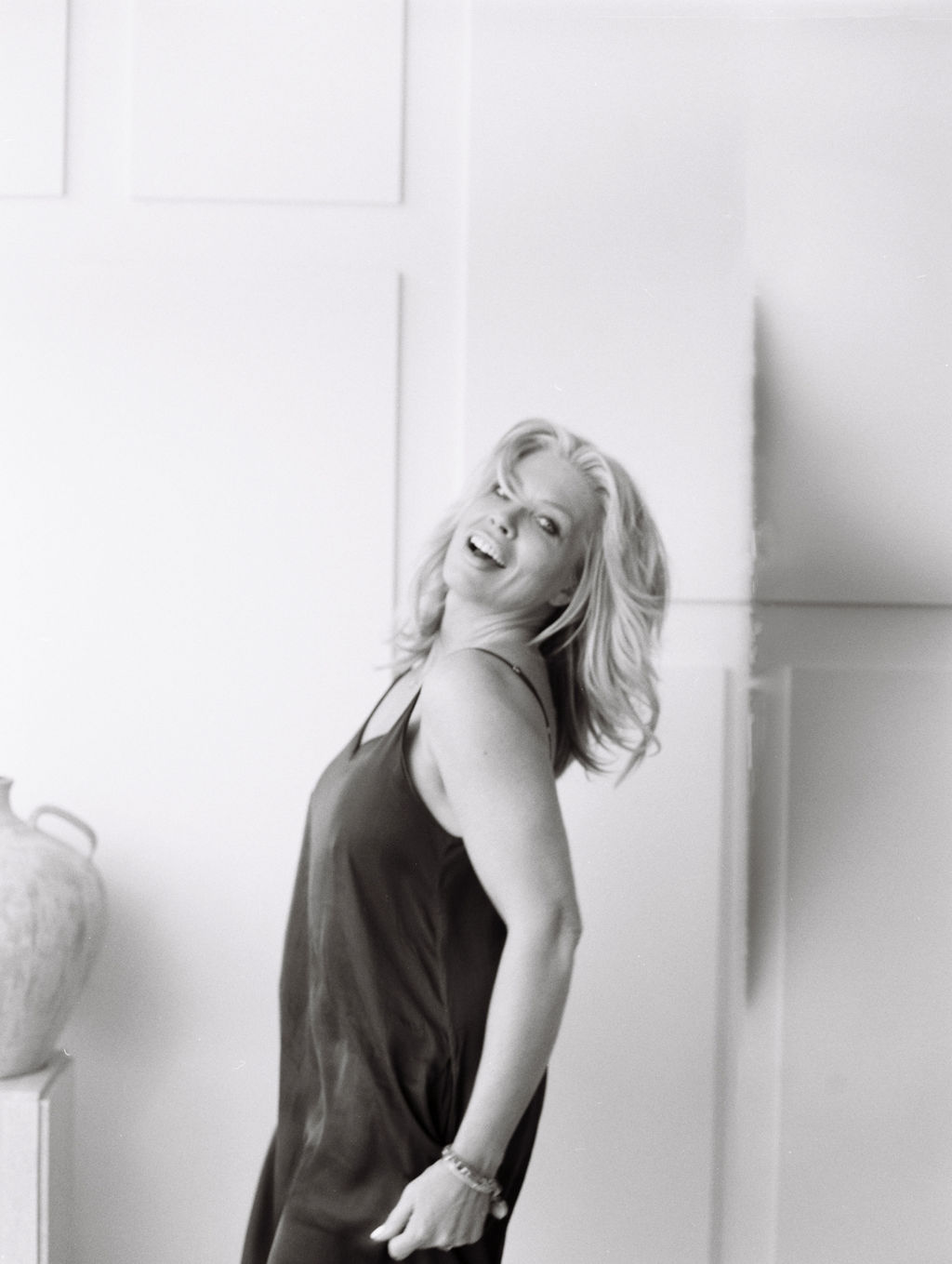
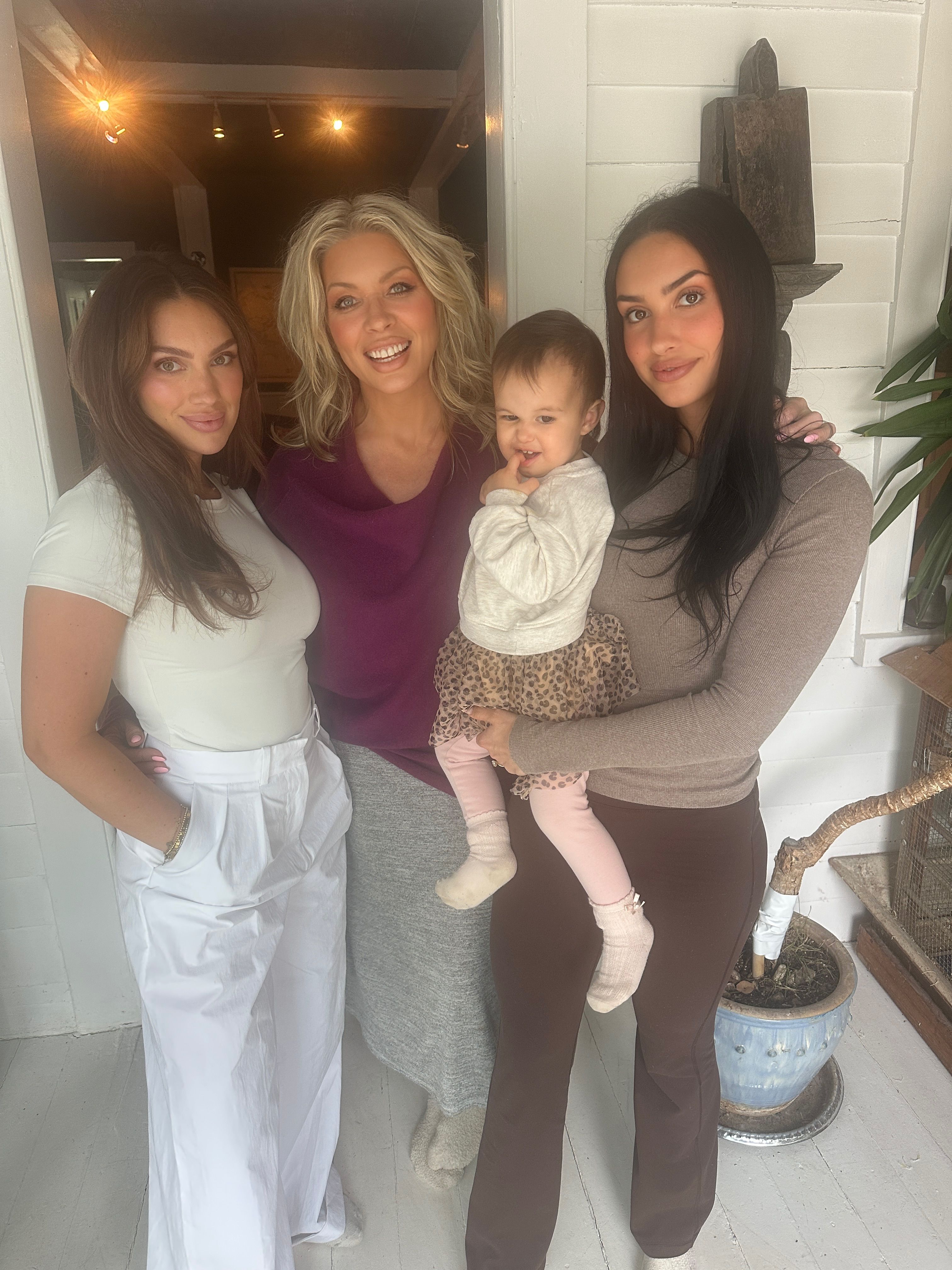
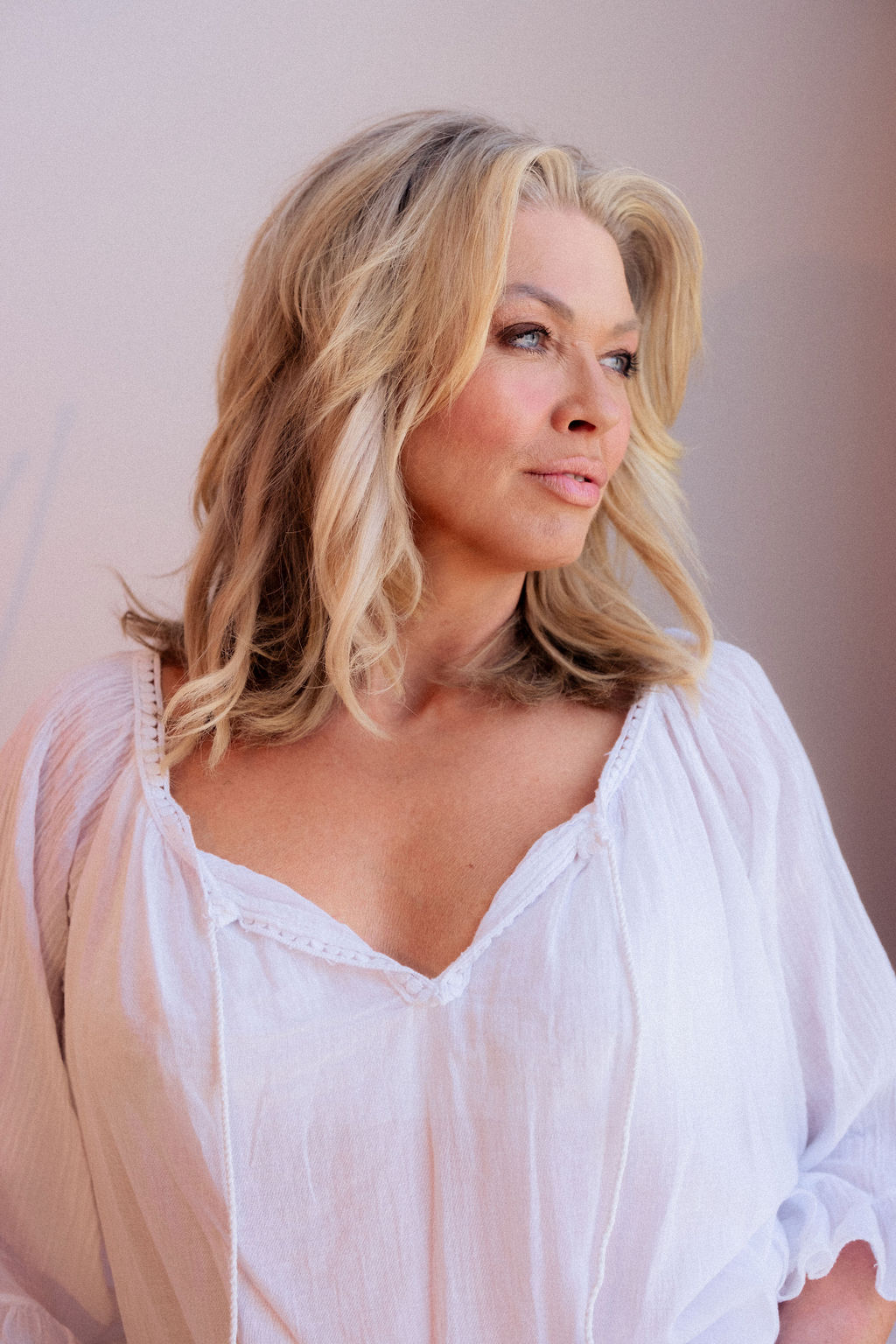
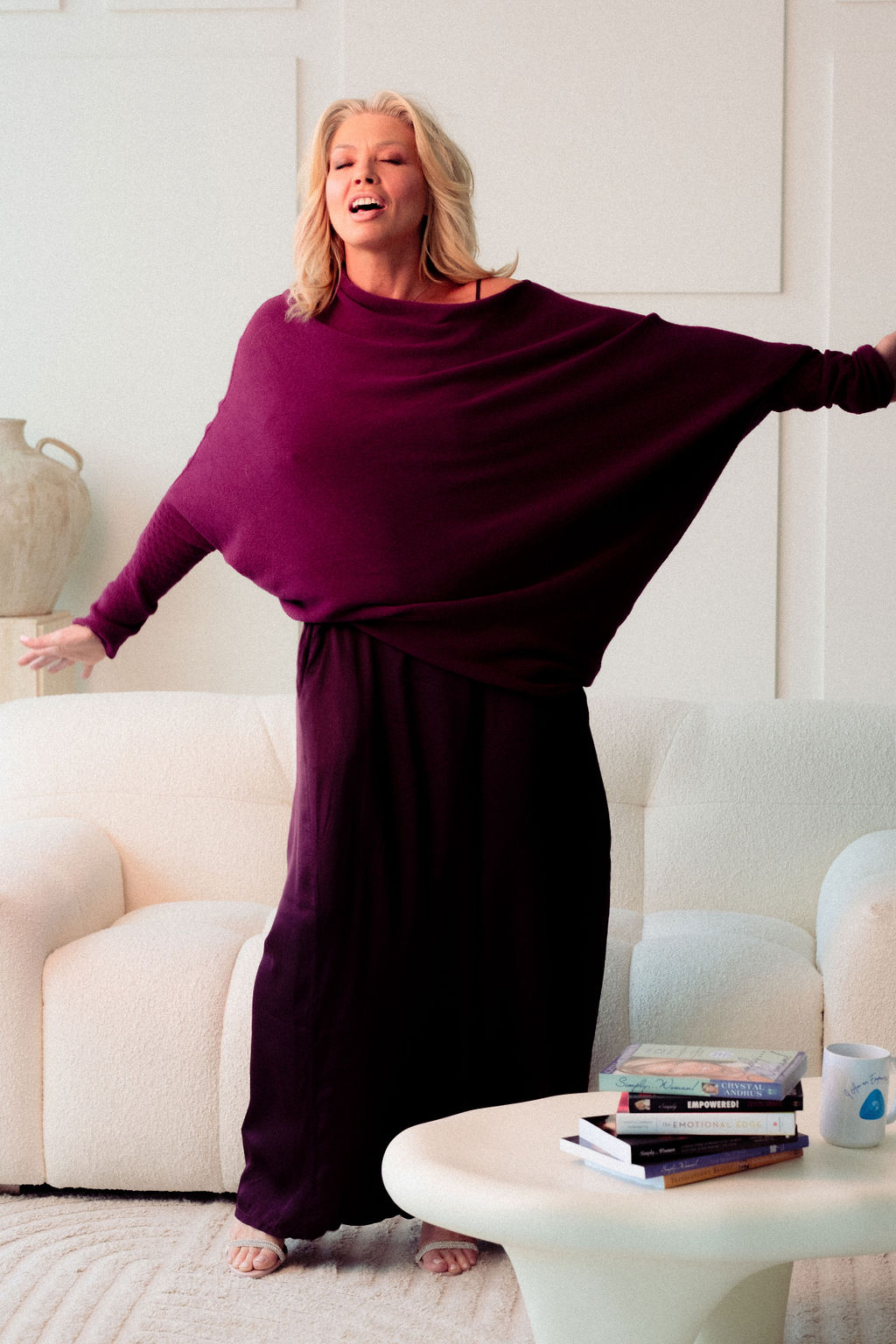
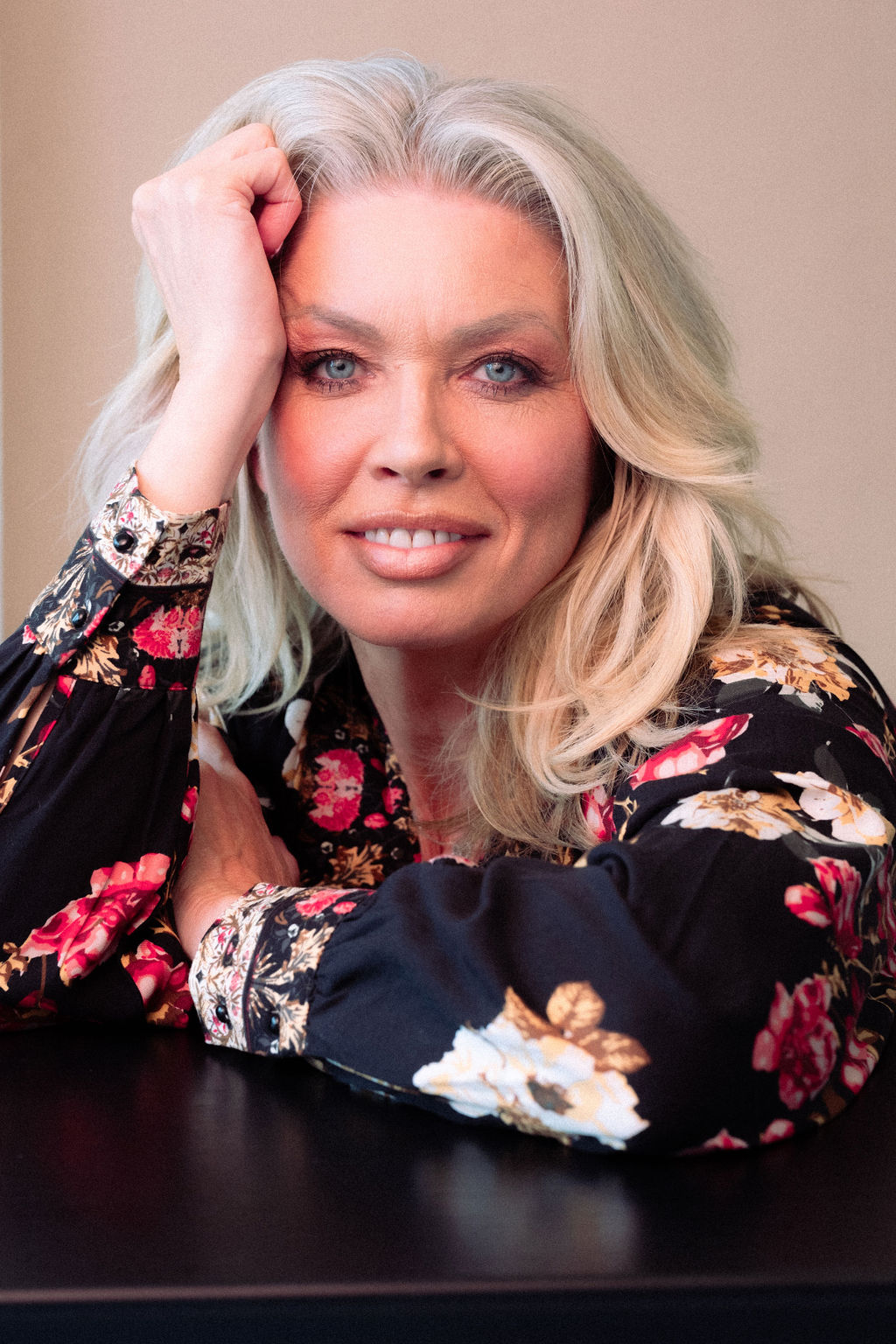
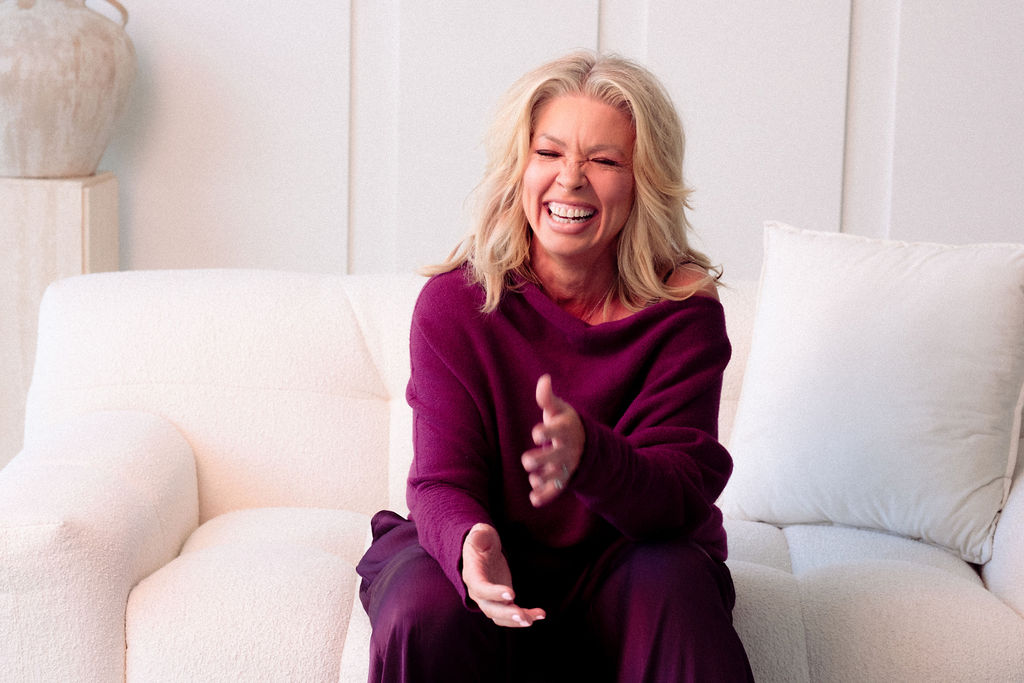
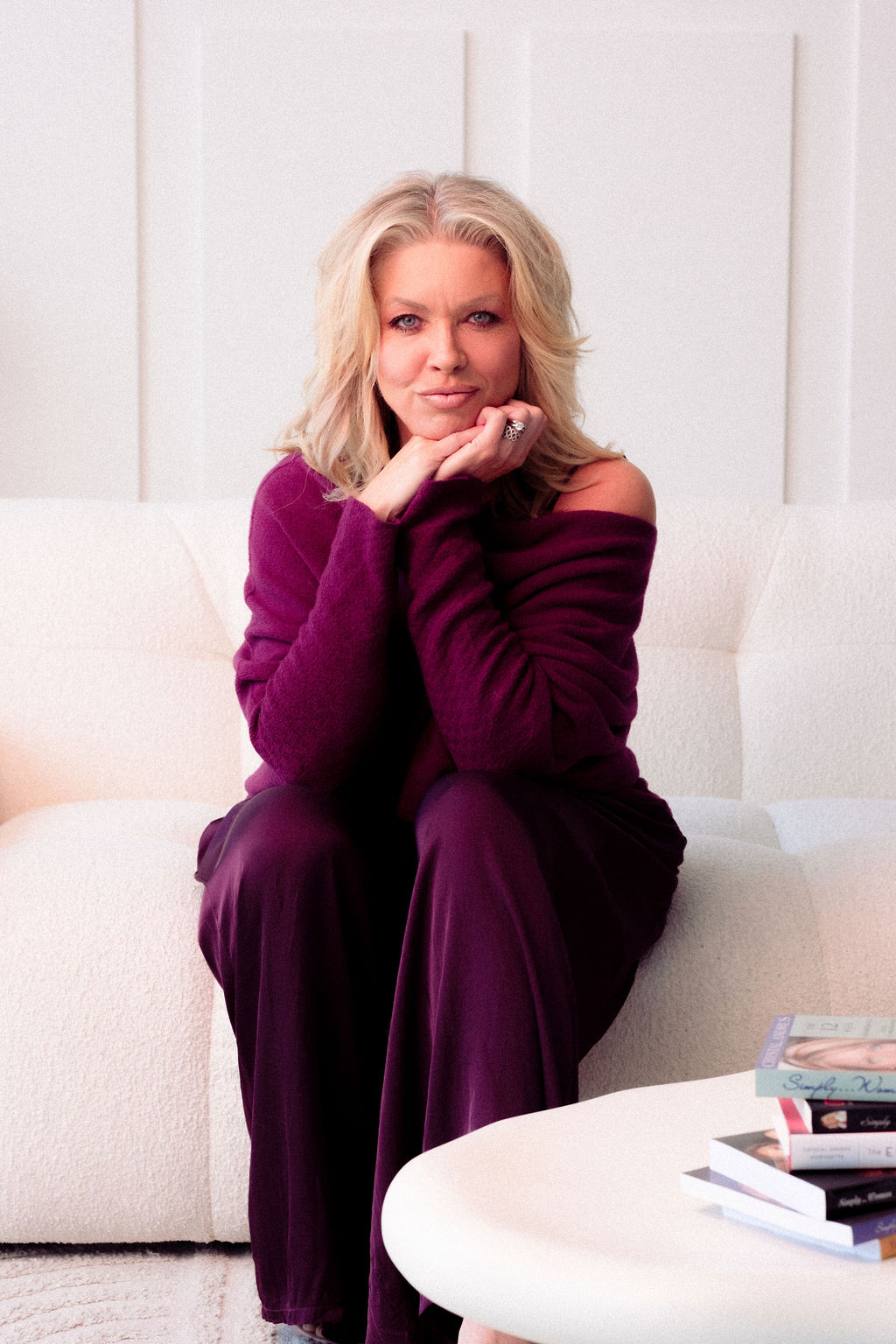
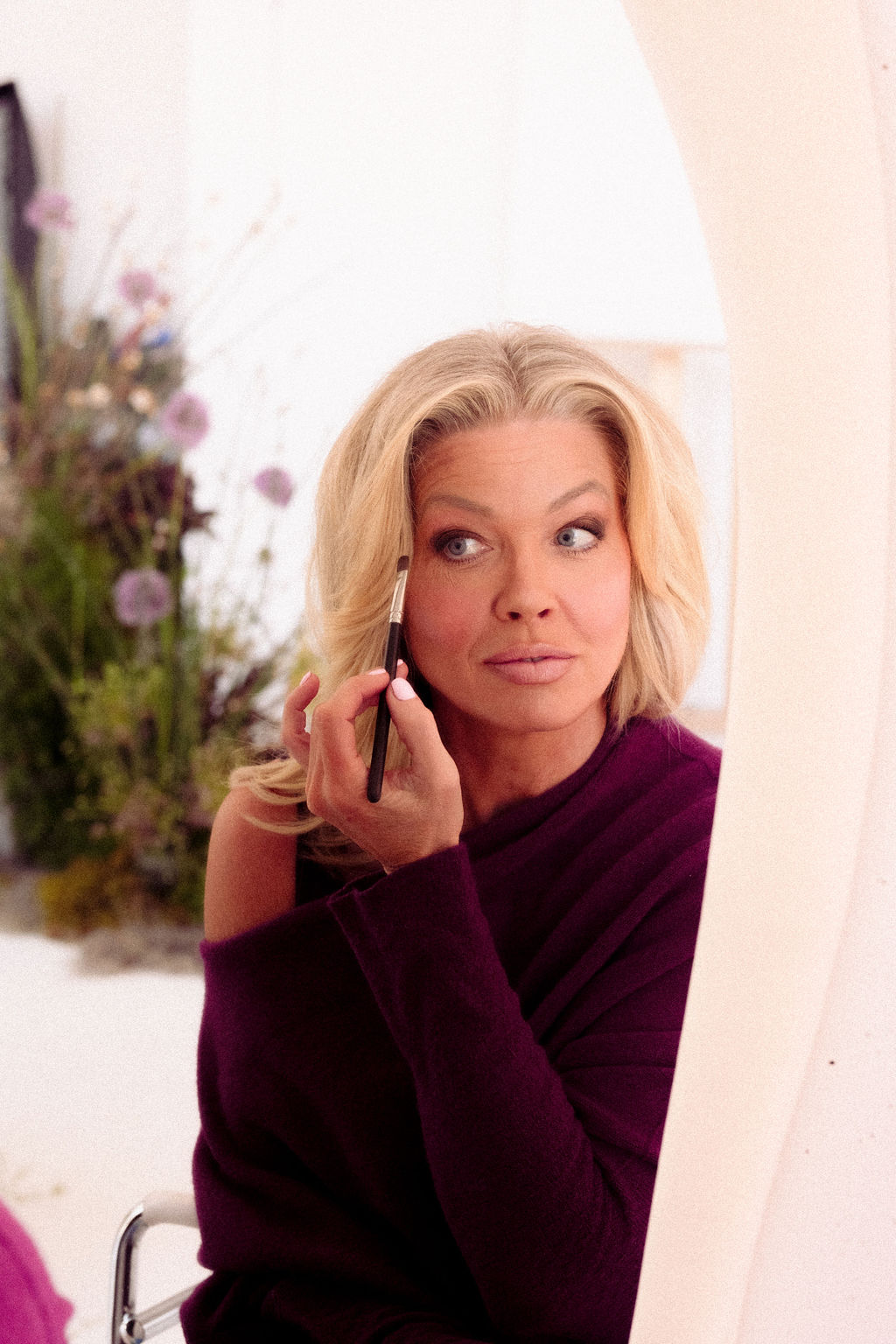
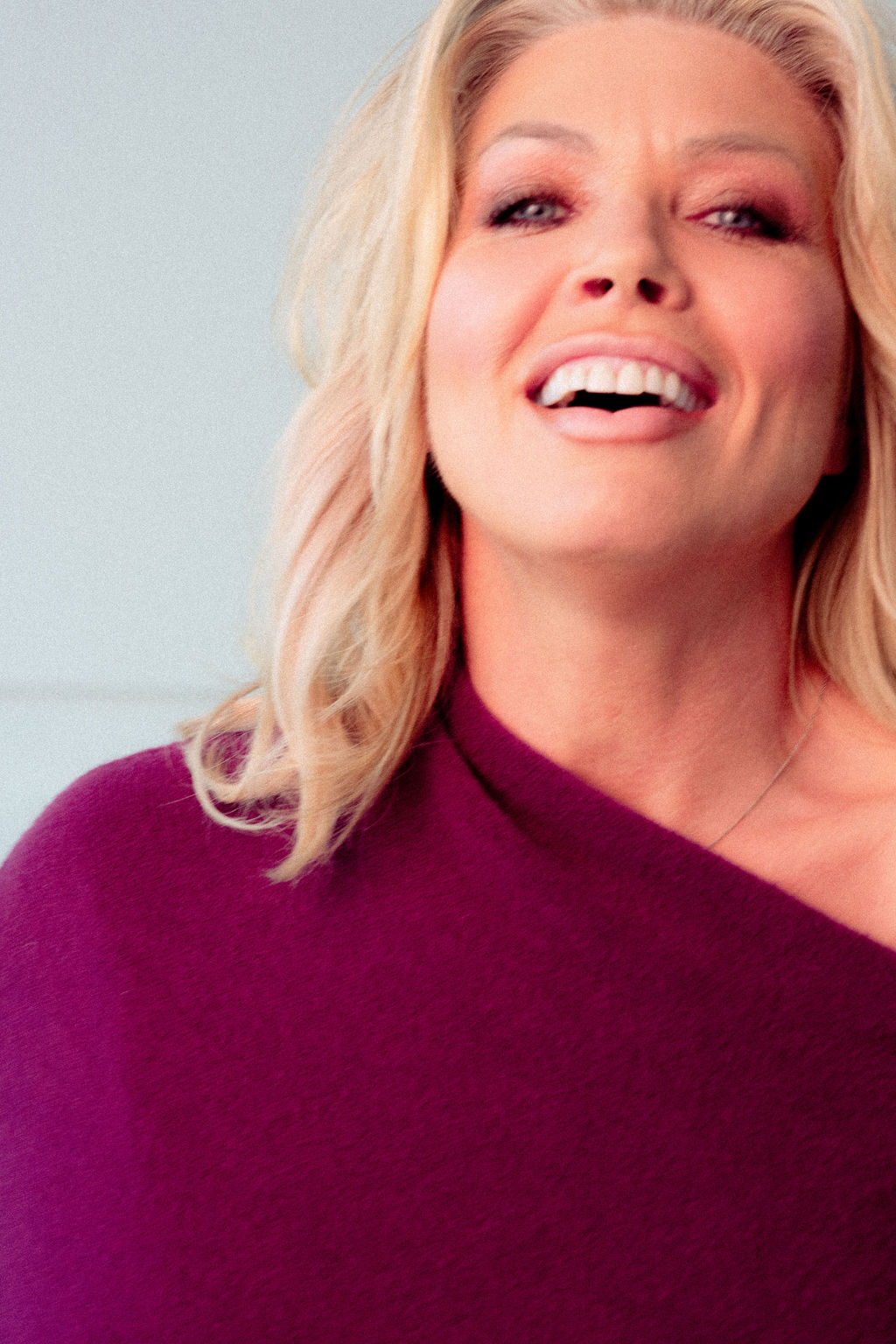
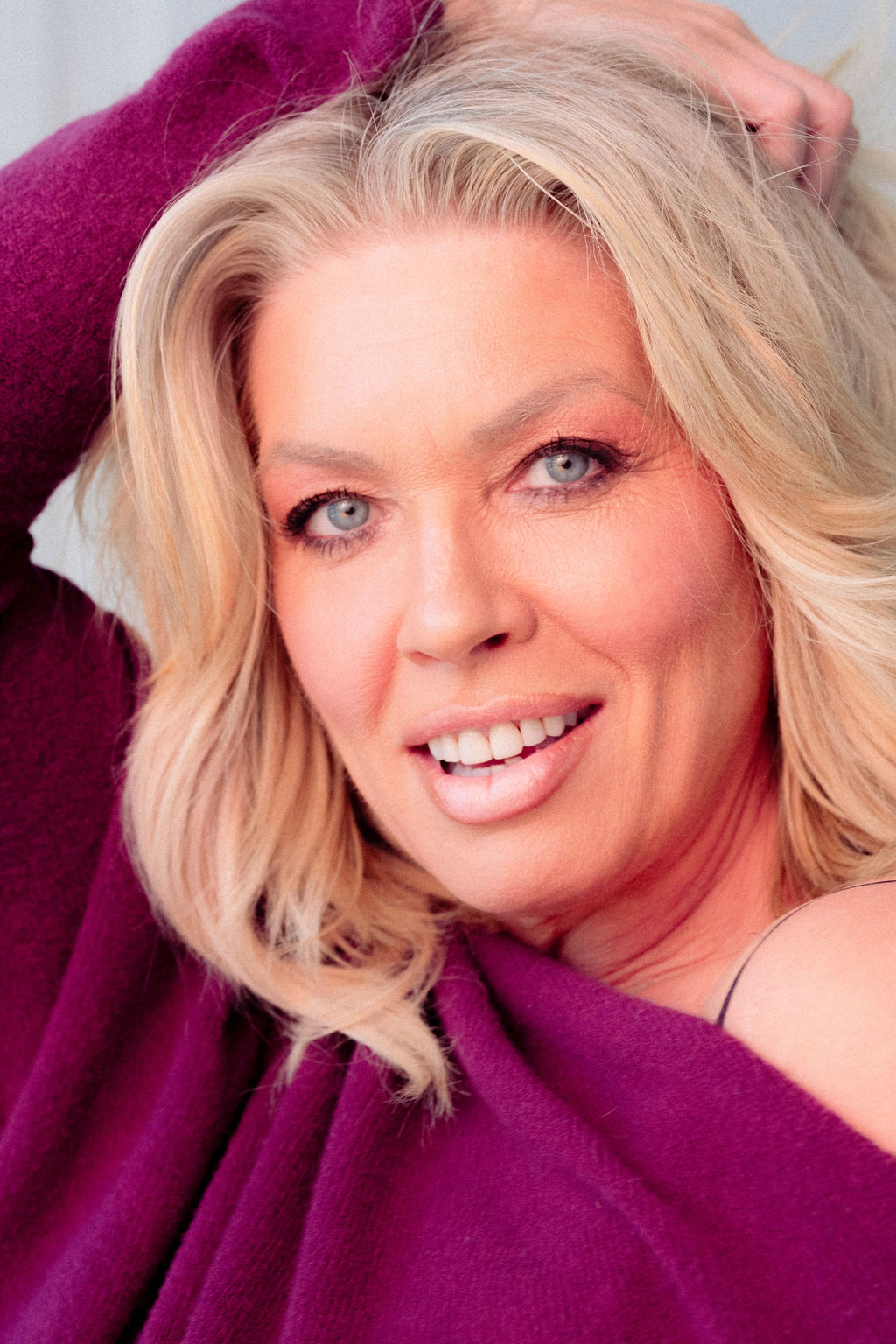
High-resolution headshots and the Empowerment Spectrum™ graphic are below, cleared for editorial use. Right-click any image to save the full-resolution file.
Media & Booking
Email: info@swatinstitute.com
Web: CrystalAndrusMorissette.com
Institute: SWATInstitute.com
Take the Emotional Age Quiz on Oprah.com
© 2026 Crystal Andrus Morissette · The S.W.A.T. Institute · Media & Press Kit
